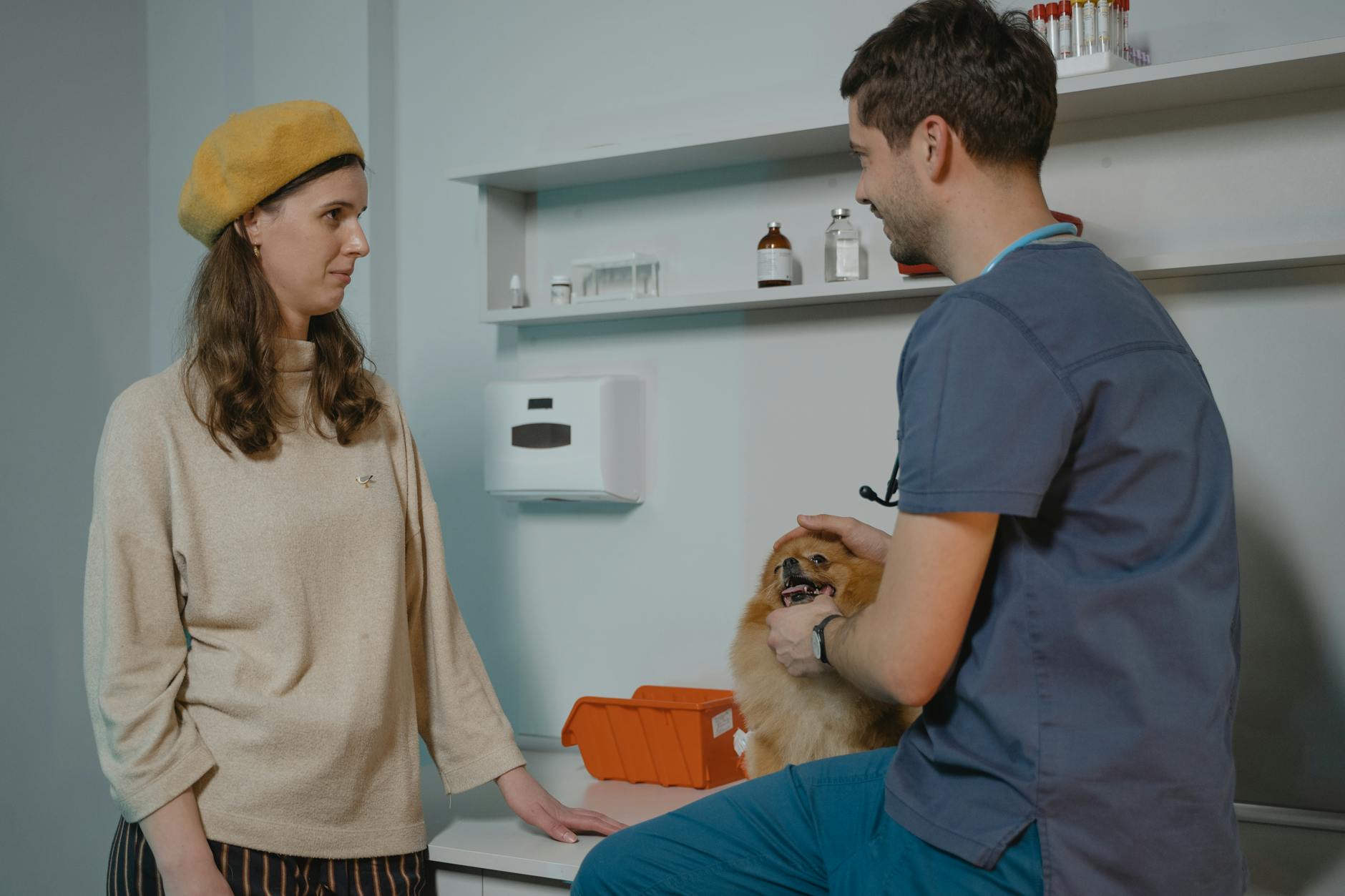
A vet visit is not a transaction. The owner has brought in something they love, often anxious, often after a stressful drive in a carrier full of complaints. The visit ends and they walk out either reassured or unsettled. That's the moment your feedback form arrives in, or doesn't.
Most veterinary clinics either don't ask, or ask in a way designed for businesses where the customer can rate the product. Pet owners aren't really rating the consultation. They're processing how the visit landed for them and their animal, and the feedback they'd give if you asked properly is different from the score they'd give a star rating.
Why timing changes the answer
The day of a visit, owners are still in the headspace of the appointment. If something went badly, a long wait, a confusing diagnosis, an unexpected price, it's vivid. So is the relief if everything went well. Asking that day catches the emotion accurately but misses what comes next: whether the medication worked, whether the post-care instructions made sense once they got home, whether the dog stopped limping.
Asking three or four days later catches a different kind of feedback. By then, the bill has been processed, the prescription has been started, the cat has either eaten or refused to eat the new food. The visit has become part of a longer story and the owner has more context to evaluate it.
Neither moment is wrong. They surface different information. A clinic that wants both shouldn't try to collapse them into one survey, the better move is two short follow-ups, ideally within a week of each other. Timing the question matters as much as the question itself goes deeper on that point.
What to ask
A 5-star rating isn't useless, but on its own it's almost always misleading. A long-term client who's been bringing pets in for ten years will rate you 5 stars on a visit that left them quietly worried. A first-time owner who walked out of their first vet appointment with an unexpected six-hundred-dollar invoice will give you 3 stars without being able to articulate why.
The questions that surface usable signal tend to be specific and grounded:
- Did the vet explain what they thought was going on in a way that made sense?
- After the appointment, were you clear on what to do next?
- Was the cost of the visit what you expected based on what was discussed?
- Was your pet's experience as good as it could reasonably be, given the circumstances?
That last one is important and often missing. Owners notice how the staff handle their animal. They notice whether the vet kneeled down to the dog's level, whether the assistant was gentle with a frightened cat. That detail rarely shows up in a "rate your visit" question. It shows up in a "how was your pet treated" one.
What to avoid
The most common mistake is asking after sensitive visits without thought. A reminder to leave a review the day after a euthanasia consultation isn't just clumsy, it actively damages the relationship. Most clinic management systems don't differentiate visit types when they trigger automated requests. They should.
The fix is straightforward: tag visit types when feedback requests are sent. End-of-life consultations, urgent care, distressing diagnoses, those don't get an automated request. A handwritten card from the vet does more there.
The other common mistake is asking too generically. "How would you rate your visit?" returns averages. The clinic with a 4.6 average has no idea whether the 4s are from people who hate the wait time or from people who didn't love how the locum vet handled their dog. A short open-ended question, "anything we could have done better today?", returns the actual issue.
How most clinics actually run feedback
A lot of veterinary practices end up with feedback in three different places: the practice management software (booking confirmations, post-visit emails), Google reviews (mostly unprompted, often from extreme experiences), and word of mouth that never gets captured. The hardest part isn't collecting more feedback. It's reading what you already have without it taking hours.
Qria is built for the second part: collecting structured feedback from a specific moment, then doing the reading for you. For a multi-vet clinic, the value is mostly in seeing patterns across vets and visit types without having to scroll through individual responses. For a single-vet practice, it's more about catching things early, the dissatisfaction that would, untreated, end up as a Google review three months later.
The simplest setup that works
For a clinic that doesn't currently collect feedback in any structured way, the lightest version that returns useful signal looks like this:
- A short post-visit message, sent the same day or the next morning, with two or three specific questions and one open-ended box
- A second, separate, optional check-in five days later for owners whose pets started new treatment, asking how the pet is doing, whether the instructions worked, whether anything came up
- A practice-level rule that suppresses the automated request for visit types where it's not appropriate
This isn't sophisticated. It's mostly about not sending the wrong message at the wrong time, and giving owners a place to say something other than a star rating. The clinics that do this well end up with feedback that actually changes how they schedule, how they explain costs, and how they handle handovers between vets.
The score on a 5-star rating is the easy thing to track. The version of the visit the owner is replaying in their car on the drive home is the version worth knowing about.