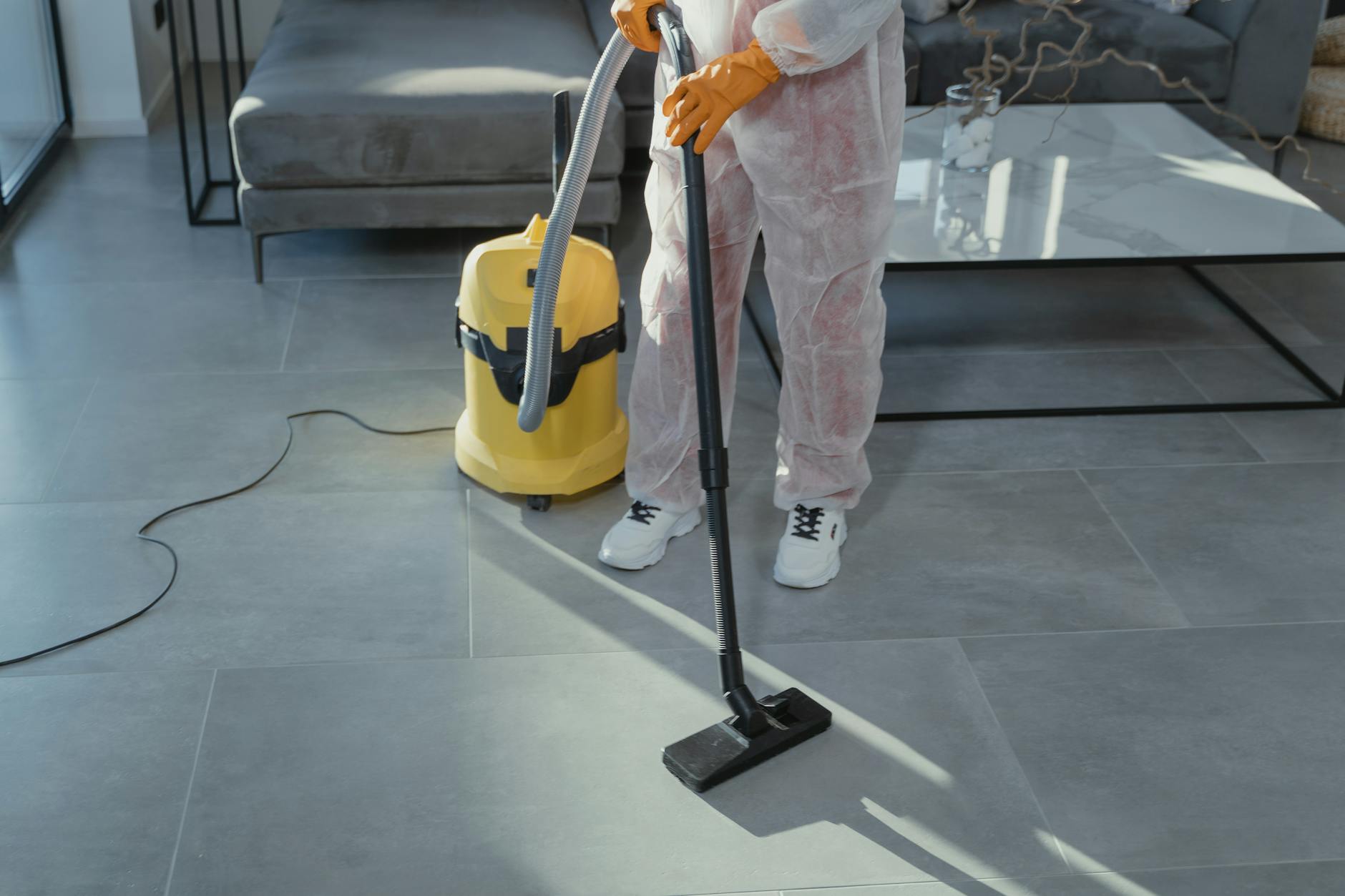
Cleaning has a feedback problem built into the shape of the job. The client is out. They come home, or come into the office on Monday, and evaluate a result rather than a service. Nobody watched the work happen, so the only evidence is what the place looks like now and whether anything got moved.
That means every judgement is made from the outside, and it's made against a standard the client has never written down. One person's clean kitchen includes the inside of the microwave. Another's doesn't, and would be mildly annoyed that you spent time on it instead of the floor. Neither has told you, because it never occurred to them that it needed saying.
The complaint that doesn't get made
There's a second thing making this harder: complaining about cleaning is socially awkward in a way that complaining about a restaurant isn't. The work was done by a person, often the same person every week, frequently in the client's home. Telling your cleaner that the skirting boards were missed feels like criticising someone you're on friendly terms with, in their absence, about their job.
So clients don't. They notice, they say nothing, they notice again the following week, and somewhere around the fourth time they decide the standard has slipped and start thinking about looking elsewhere. The first you hear of it is a cancellation email with no reason in it, or just a text saying they don't need the visit next week and they'll be in touch, and they never are.
That's the thing a feedback process is actually for in this trade. Not measuring satisfaction, but giving people a route to mention the small thing that they'd never raise face to face. A form is easier to be honest in than a conversation, which is a slightly sad fact about how people work and a genuinely useful one if you run a cleaning business.
Ask about tasks, not quality
Vague questions produce vague answers here more than in most sectors, because "how was the clean?" invites a politeness reflex. Fine, thanks. Great as always.
Specific questions cut through it. Was there anything that got missed this time? Is there anything you'd like prioritised next visit? Was the property left secure and as you expected? That middle one is doing the most work, because it isn't framed as a complaint. Asking someone to name a priority lets them say "actually the bathroom matters more to me than the spare room" without it being a criticism of anyone, and the answer changes how you run the job.
For regular clients, build the periodic version of this into the rhythm. A check in every couple of months rather than after every visit. Ask after every clean and you'll train people to ignore you by the third message, the same dynamic as other recurring services. How often should you ask for feedback covers the cadence question properly.
The exception is the first clean. Ask about that one without fail. The first visit sets the standard, and it's the point where expectations and reality are furthest apart. A first time client who found the result nearly right but not quite will either tell you now, if you make it easy, or quietly decide you're not the right firm. The gap between those two outcomes is one message sent at the right time.
One off jobs are a different business
End of tenancy cleans, post build cleans, and one off deep cleans have almost nothing in common with a weekly domestic contract, and pooling their feedback averages away everything useful.
A one off client is usually stressed, working to a deadline, and being judged themselves by a letting agent or a landlord. Their definition of success is often external: did the deposit come back, did the agent sign it off. Asking them about the standard of the clean misses the point. Asking whether the job passed the inspection tells you something you can actually use in your quoting and your checklists.
They're also the group most likely to leave a public review, because it was a memorable, expensive, one time purchase. Bear in mind that your public rating will be disproportionately shaped by one off jobs while your revenue mostly comes from regulars. The reviews describe a part of the business that isn't the main part.
Who's paying and who's noticing
Commercial cleaning splits the customer in two. The contract is with an office manager or a facilities person. The people who experience the cleaning are the staff who use the kitchen and the toilets, and they complain to the office manager, not to you. By the time it reaches you it's been through a filter and arrives as either nothing at all or a summarised list at contract renewal.
If you can get a short form in front of the actual building users, even once or twice a year, you'll hear about things the contract holder never mentions. Some clients will be fine with that and some won't, so ask rather than assume. It's the same structural problem as B2B software, where the person who pays is not the person who uses it, and the answer is similar: two audiences, two question sets, read separately.
Keeping it practical
A short link texted after the visit works for domestic work, since most clients are on their phones and won't open an email. For commercial contracts, a QR code in the kitchen or on a signed off checklist reaches people the contract holder wouldn't forward anything to. The QR code feedback guide covers placement.
Keep the form to three or four questions. A client who came home to a clean house has about forty seconds of goodwill for this, and the open box is where the useful material is anyway.
The reading is where it turns into something. Cleaning feedback tends to be small, frequent, and specific, which makes it easy to skim and hard to see patterns in. Qria holds the structured responses alongside the public reviews you're getting on Google, with the AI summarising what keeps recurring, so the three clients who mentioned the same thing about the second bathroom over two months turn up as one theme rather than three forgotten messages. Positive responses can be prompted toward a public review, while the awkward ones stay private for you to sort out with the cleaner concerned.
That last point matters more here than in most trades. Feedback about cleaning is nearly always feedback about a specific person, and it needs handling with some care. A client naming a problem should not result in their cleaner being ambushed with it. The reason to collect it in a system rather than in messages is partly so you can see whether it's a pattern or an off week before anyone has that conversation.