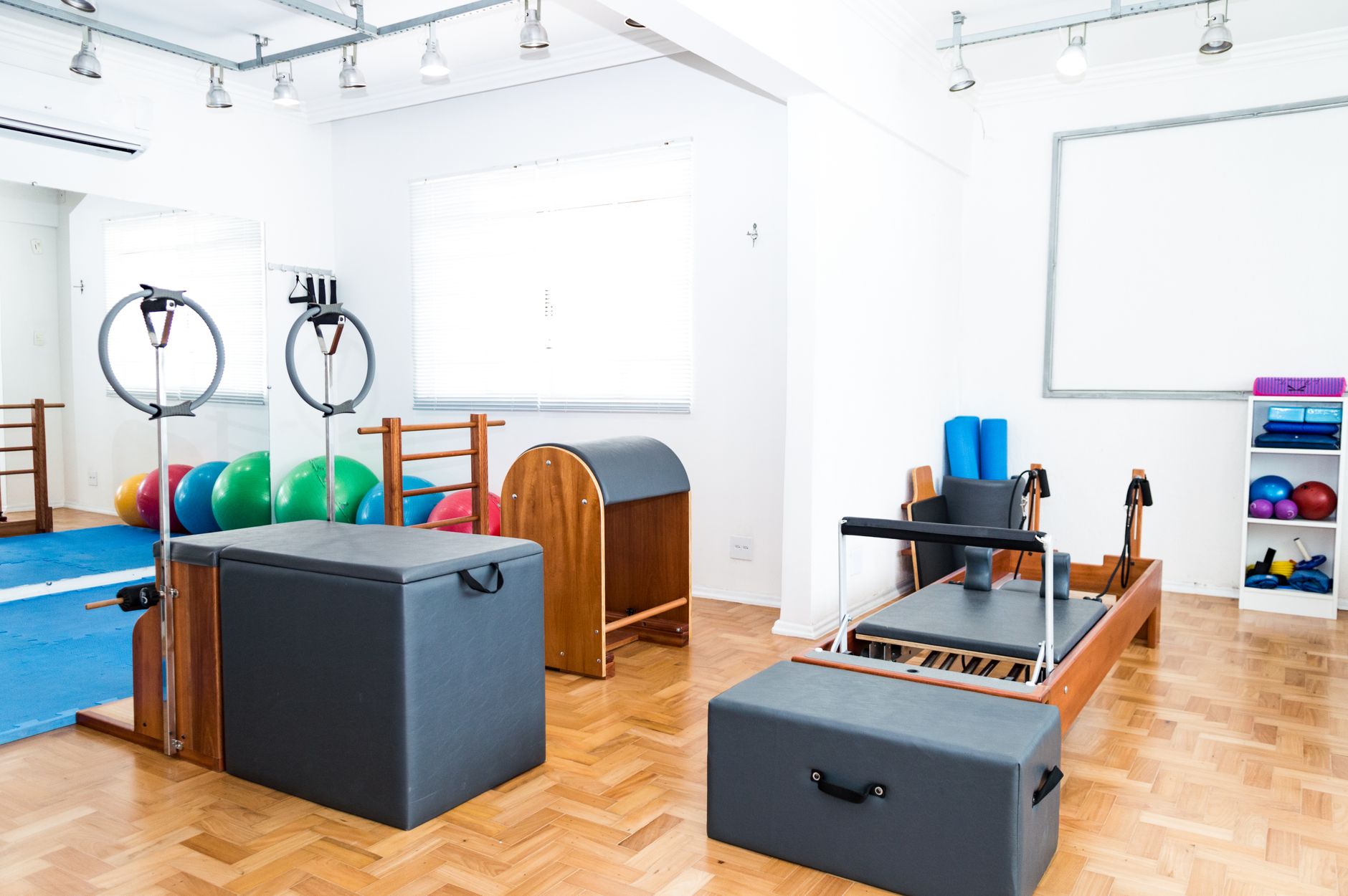
A yoga or pilates studio is not really in the same business as a gym, even though they often get grouped together. People at a gym buy access to equipment. People at a studio buy a specific instructor running a specific class at a specific time. The Tuesday 7am hatha class with Mira is a different product from the Thursday evening reformer session with James, even though both happen at the same address. That distinction shapes everything about how you collect useful feedback.
What follows is a starter framework for studio owners and managers who want to get more out of feedback without turning the place into a research operation.
What to ask about
The variables that matter in studio feedback are different from a gym. Worth tracking:
- The instructor. By a wide margin, the biggest single driver of how a class lands. People build attachments to specific teachers and will follow them across studios.
- The class itself. Right level, sensible pace, clear cueing, a playlist that suits the style.
- The room. Temperature, smell, cleanliness, mat condition, equipment that doesn't squeak.
- The booking experience. The app, the waitlist, the cancellation policy, the reminder texts.
- The studio atmosphere outside the class. Reception, the toilets, the changing area, what happens if you turn up early or stay late.
You don't need to ask about all of these in every form. Pick what's actionable for the next month and rotate.
When to ask
A few moments are doing most of the work.
The most reliable one is right after a class. A QR code by the door, or on the way out past reception. Keep it to two questions. The longer the form, the more it kills the post-class state people came in for. A simple star rating and one open prompt is enough.
Another worth setting up is after the first or second class for a new member. This is the window where you find out whether your studio is going to keep them. Email or in-app is fine, and a slightly longer form works here because they're invested in the decision.
The one most studios skip is the cancellation prompt. This is the most informative feedback a studio gets. People who cancel will usually answer one short form honestly if you ask once and don't push.
What to avoid: surveying after every single class for the same member. They tune it out within two weeks and you train them to ignore your prompts forever.
What questions to use
A short list that works for most studios.
After a class:
- One rating for the class itself, one for the instructor
- "What worked? What didn't quite land?" as a single open question
For new members after their first or second class:
- How did you hear about us?
- What made you book your first class?
- Was the booking process easy?
- Anything we could have done better in your first visit?
For exiting members:
- What's the main reason you're cancelling? (options: schedule changed, moved area, found a better fit elsewhere, lost the habit, price, other)
- Optional open box for detail
The question to skip is the generic "how was your experience?" with a five-point scale. The answers are unactionable. People give a 4 because they don't want to give a 5, and you learn nothing about why.
Distribution
QR codes work well in studios because the moment of the prompt is already physical. Print a small card by the door, on the back of the reception counter, on the inside of the locker rooms. Same code, same form. People scan it on the way out while they're putting shoes back on. The full QR code feedback guide covers the placement trade-offs in more depth.
For new-member and exit flows, email is the right channel. Both have a built-in moment when it's appropriate to ask, and people are already mentally engaging with the studio at that point.
What does not work as well is pushing feedback in your booking app every time someone books. That's prompt fatigue territory.
What to do with the responses
Studios are small. Owners often read every response themselves for the first few months, which is fine and arguably the right thing to do early on. The problem is what happens after a year, when there are 800 responses sitting in a spreadsheet and the patterns are getting lost in the volume.
A few things to track:
- Ratings per instructor over time. Not as a stick to hit them with, but to understand which classes are landing and which need attention.
- Ratings per class type. Maybe Thursday evening yoga keeps slipping, while Saturday morning pilates is consistently strong. That's scheduling and marketing information.
- Repeated themes in the open responses. "Too cold in winter." "The 7am reformer feels rushed at the end." Comments that show up four or five times across different members are a pattern worth acting on.
This is roughly where structured tools start helping. The volume problem is real and grows with the studio. Qria is built for this kind of low-key, ongoing feedback loop where the analysis matters as much as the collection.
The risk to watch for
Studio owners get a lot of in-person feedback. A regular member will pull you aside after class to tell you what they think. This is useful as a source of qualitative signal but a terrible basis for decisions on its own, because the loudest members are not representative of the membership. The post on why power users are bad feedback sources goes into this in more detail in a SaaS context, but the same logic applies in a studio.
Structured forms, with consistent prompts over months, give you something to weigh those conversations against. The chats are useful. They become a problem when they're the only thing you act on, because three loud voices are not the same as ninety quiet ones.